
What is design detail?

What is Design Detail?
In today’s rapidly evolving design landscape, understanding the concept of “design detail” is essential for both designers and consumers alike. Design details encompass the intricate elements that contribute to the overall aesthetic, functionality, and user experience of a product or space. They are the nuances that transform a basic design into something extraordinary. This article dives deep into what design detail is, why it matters, and how it can impact your next purchase. Whether you’re looking to buy furniture, clothing, or even a digital product, knowing the intricacies of design detail can help you make more informed decisions.
The Essence of Design Detail
Design detail refers to the specific features, elements, and characteristics that enhance the overall visual and functional experience of a product or space. It’s not just about how something looks; it involves every aspect of a design, from materials and textures to colors and functionality. Here are some key aspects of design detail:
- Materials: The choice of material influences the durability, comfort, and appearance of a product.
- Textures: Different textures can evoke various feelings and experiences, affecting how a product is perceived.
- Colors: The color scheme plays a crucial role in design, impacting mood and overall aesthetics.
- Proportions: Well-considered proportions can lead to a harmonious design that is pleasing to the eye.
The Importance of Attention to Detail
In the world of design, the smallest details can have a significant impact. Here’s why attention to detail matters:
- Enhanced User Experience: Thoughtful design details improve functionality and usability, making products easier and more enjoyable to use.
- Brand Identity: Unique design elements help distinguish brands in a competitive market, reinforcing their identity.
- Aesthetic Appeal: The right details can elevate a design from ordinary to extraordinary, capturing the attention of consumers.
- Value Perception: Products with high-quality design details often command higher prices, as customers perceive them to be more valuable.
Analyzing Design Detail in Everyday Products
To better understand design detail, it can be helpful to analyze it in various everyday products. Here are a few examples:
Furniture
- Construction Quality: Look for joints and seams – are they clean and precise? This can indicate durability.
- Finishes: The type of finish (paint, stain, lacquer) can affect both the look and lifespan of the piece.
- Ergonomics: Design details such as the curvature of a chair or the height of a table can greatly influence comfort.
Fashion
- Stitching: Examine the stitching quality; fine stitching can signify a higher-quality garment.
- Fabric Choice: The selection of fabric affects not only the appearance but also the comfort and durability.
- Design Elements: Unique buttons, zippers, or embellishments can add character to a piece of clothing.
Digital Products
- User Interface (UI): The layout and design of buttons and icons can significantly affect user interaction.
- Responsive Design: A well-designed digital product will adapt seamlessly to different devices, enhancing usability.
- Branding Elements: Color schemes and logo placement contribute to the overall brand identity within the digital space.
How Design Detail Impacts Purchasing Decisions
When it comes to shopping, consumers are often drawn to products that exhibit strong design details. Here’s how these details can influence buying choices:
- First Impressions: A product with appealing design details can quickly capture attention, leading to further interest.
- Trust and Credibility: Brands that pay close attention to design detail often appear more credible and trustworthy.
- Emotional Connection: Well-executed design details can create an emotional response, influencing a customer’s urge to purchase.
- Long-term Satisfaction: Products with superior design details often result in higher user satisfaction and loyalty.
Incorporating Design Detail in Your Projects
If you’re a designer or someone interested in diving deeper into design, consider these tips for incorporating design detail into your projects:
- Research: Study existing designs that incorporate notable design details—what works, and what doesn’t?
- Sketch Ideas: Create sketches that focus on different elements of design detail, such as texture, shape, and color.
- Prototype Testing: Build prototypes and gather feedback, focusing specifically on the design details that resonate with users.
- Iterate: Be prepared to refine your designs based on feedback, always paying attention to the finer details.
Examples of Brands Excelling in Design Detail
Let’s take a look at some brands that excel in demonstrating design detail in their products:
Apple
Apple is renowned for its emphasis on clean, minimalist design that pays meticulous attention to detail. The choice of materials, the sleek curves, and the user interface are all carefully considered, creating an aesthetically pleasing and functional product line.
IKEA
IKEA combines affordable pricing with a keen focus on functional design details. Each piece of furniture is designed not just for looks but for practicality, space-saving, and ease of assembly, showing how even budget-friendly products can excel in design details.
Muji
Muji is celebrated for its simplistic, no-brand philosophy, where design detail is all about functionality and minimalism. Their products are designed with clean lines and useful features that resonate well with consumers looking for functionality without the frills.
Conclusion
Understanding design detail is vital for both consumers and designers as it shapes perceptions and influences decisions. From furniture to digital products, the nuances of design can significantly enhance user experience and satisfaction. As a consumer, knowing how to identify and appreciate these details can lead to smarter purchases that align with your personal aesthetic and functional needs.
So, the next time you shop, take a moment to consider the design details. They might just be the key to finding that perfect product that not only meets your needs but also enriches your environment or experience.

LINKS:
Design detail plays a crucial role in the overall aesthetics and functionality of any project. It refers to the small, intricate elements that enhance the user experience and contribute to the overall design narrative. Attention to design detail can substantially elevate a product, making it not only visually appealing but also practical and user-friendly. As consumers increasingly seek well-crafted items, understanding the importance of design detail can lead to informed purchasing decisions. Investing in products with notable design detail ensures longevity and satisfaction, confirming that thoughtful design does make a significant difference in daily use.
FAQ
What exactly is design detail?
Design detail refers to the specific, intricate elements of a design, including textures, colors, shapes, and materials. These components work together to enhance both visual appeal and functionality, ensuring that every aspect of a product or space serves a purpose and contributes to the overall user experience.
Why is design detail important?
Design detail is essential because it can influence perception and usability. It makes products more visually attractive and can lead to a better user experience by addressing practical needs. A well-thought-out design detail ensures that users feel engaged and satisfied with their purchases.
How can design detail impact my buying decision?
When considering a purchase, products with notable design details often signify quality and craftsmanship. Details can enhance functionality and aesthetics, leading to a higher level of satisfaction. Buyers may be more inclined to invest in items that demonstrate thoughtful design thinking.
Can design detail vary across different products?
Yes, design detail can vary significantly between product categories. For instance, a piece of furniture might focus on ergonomic structures and materials, while an electronic gadget could emphasize sleek interfaces and intuitive layouts. Each product type showcases design detail in ways that cater to its specific purpose and user experience.
How do I identify good design detail?
To identify good design detail, look for a combination of aesthetics and usability. Check for high-quality materials, thoughtful ergonomics, and visual harmony. Additionally, read reviews and consider user feedback to understand how the design impacts functionality and overall satisfaction.
Related Post
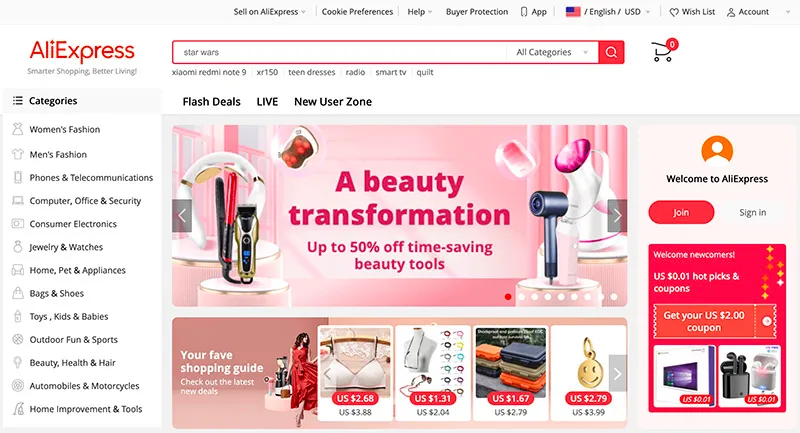
AliExpress Promo Code for the Smartest Way to Save
“`html Shopping online has become an integral part of our lives, with platforms like AliExpress [...]
Is it worth buying Redmi Note 11 Pro on AliExpress?
Is it Worth Buying Redmi Note 11 Pro on AliExpress? If you’re considering purchasing a [...]