
What is an item quality check?
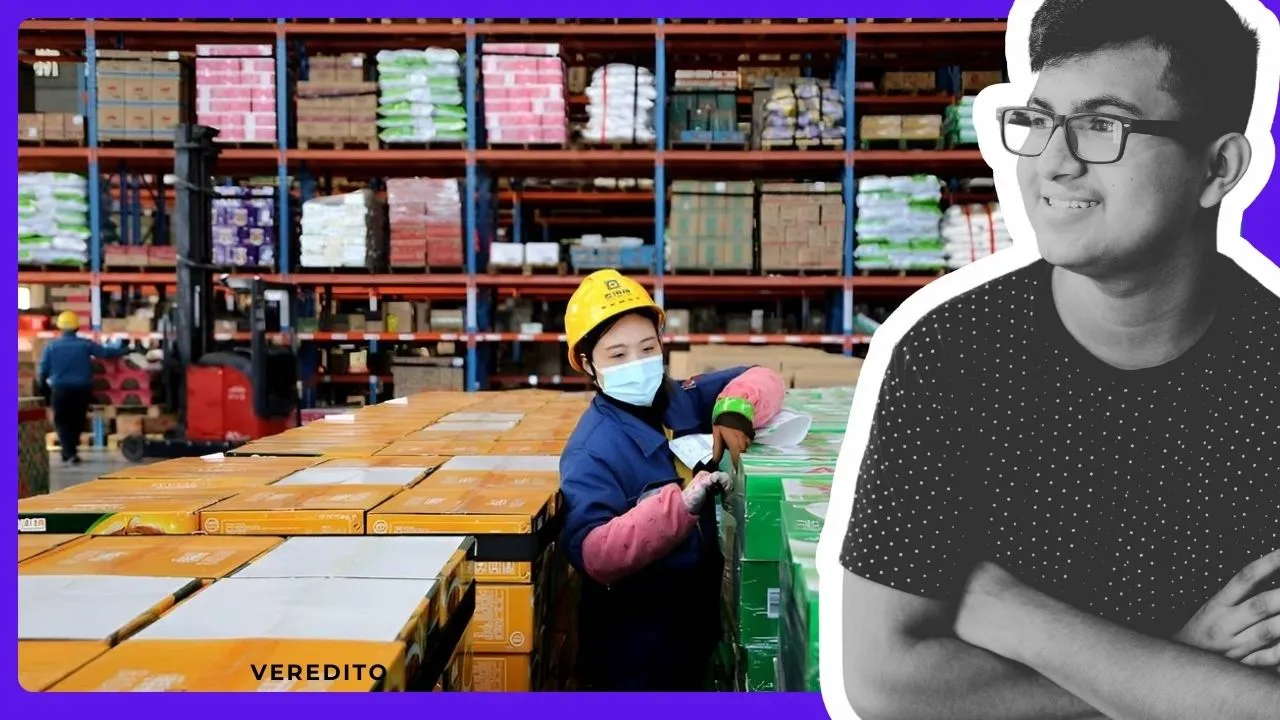
In the bustling world of e-commerce and retail, product quality stands as a cornerstone of brand trust and customer satisfaction. As businesses strive to maintain competitive edges and foster consumer loyalty, understanding the crucial concept of an item quality check becomes imperative. This article dives deep into what an item quality check entails, its importance, and the benefits it brings to both businesses and customers alike.
What is an Item Quality Check?
An item quality check refers to a systematic process used to assess the quality and condition of a product before it is made available for sale. This process can occur at various stages of the supply chain, including manufacturing, storage, and pre-shipment. The aim is to ensure that the products meet predefined standards of quality and functionality.
The Importance of Item Quality Checks
Item quality checks serve multiple vital functions in the retail ecosystem. Here are some of the key reasons why these checks are essential:
- Customer Satisfaction: Ensuring that customers receive high-quality items can lead to increased satisfaction and repeat purchases.
- Brand Reputation: Consistent quality checks help maintain and enhance the reputation of a brand, encouraging customer loyalty.
- Cost Efficiency: By identifying defects early, businesses can minimize returns and warranty claims, saving costs in the long run.
- Regulatory Compliance: Many industries require products to comply with specific standards or regulations, making quality checks necessary for compliance.
Stages of Item Quality Checks
Quality checks can be carried out at various stages of a product’s life cycle. Below are the primary stages:
1. Incoming Quality Control
Before products enter the storage or production line, an incoming quality control (IQC) check assesses whether the received items meet the specified requirements. This includes:
- Visual inspection for damage.
- Verification of quantities against purchase orders.
- Assessment of specifications and compliance with standards.
2. In-Process Quality Control
As products are being manufactured, in-process quality control (IPQC) checks are crucial. During this stage, specific checkpoints ensure that:
- Quality standards are met throughout the production process.
- Defects are identified and addressed immediately to prevent further issues.
3. Final Quality Control
Before products are dispatched to customers, final quality control (FQC) checks are performed. These checks typically involve:
- Thorough inspection of finished products.
- Functionality testing to ensure products perform as intended.
- Packaging and labeling verification.
Methods of Conducting Item Quality Checks
Various methods can be employed to conduct item quality checks, depending on the type of products and the specific industry standards:
1. Visual Inspection
The simplest form of quality checking is through visual inspection. Staff members examine products for visible defects, damage, and overall appearance. While this method is quick and straightforward, it requires trained personnel to identify potential issues effectively.
2. Functional Testing
For products that have specific functionalities (e.g., electronics), conducting thorough functional testing is vital. This includes running the product through its paces to ensure it operates as expected. If an item fails to meet its functionality standards, it is either repaired or rejected.
3. Measurement and Testing Equipment
In some industries, precise measurements are crucial. Using specialized testing equipment allows businesses to measure dimensions, weight, and other critical parameters. This method is commonly used in manufacturing sectors like textiles and electronics.
Benefits of Item Quality Checks for Businesses
Implementing comprehensive item quality checks offers numerous advantages to businesses, including:
- Improved Product Quality: Regular checks lead to enhanced overall product quality, reducing the chances of defective items reaching customers.
- Reduced Returns and Complaints: By ensuring quality from the start, businesses can significantly lower return rates and customer complaints.
- Increased Efficiency: Early detection of defects allows for quicker production adjustments, leading to improved efficiency.
- Enhanced Market Reputation: Quality assurance fosters a strong reputation for reliability and excellence in the market.
Benefits of Item Quality Checks for Customers
Customers also reap the rewards of businesses that prioritize item quality checks:
- Confidence in Purchases: When customers know that products have undergone rigorous quality checks, they are more likely to trust and purchase them.
- Better User Experience: High-quality products typically result in a better overall experience, leading to increased satisfaction and happiness.
- Longer Product Lifespan: Well-made products tend to last longer, offering better value and reducing the likelihood of replacements.
Common Challenges in Item Quality Checks
While item quality checks are beneficial, businesses may encounter several challenges, such as:
- Resource Intensity: Quality checks can be labor-intensive and require significant resources, potentially leading to increased operational costs.
- Training Needs: Staff must be adequately trained to carry out quality checks, requiring time and investment.
- Balancing Speed and Quality: In fast-paced industries, balancing the need for quick production with thorough quality checks can be challenging.
Best Practices for Implementing Item Quality Checks
To maximize the effectiveness of item quality checks, businesses should consider the following best practices:
- Standardization: Develop clear quality standards and documentation to ensure consistency in checks across all teams.
- Use of Technology: Implement software solutions to aid in tracking, documenting, and analyzing quality data.
- Regular Training: Ensure that staff receive ongoing training to stay updated on quality standards and inspection techniques.
- Feedback Loop: Establish a feedback mechanism where issues identified during quality checks are communicated back to the relevant teams for continuous improvement.
The Future of Item Quality Checks
The landscape of item quality checks is continuously evolving, with technology playing a significant role. Innovations such as automation, artificial intelligence, and machine learning are beginning to influence how quality checks are conducted. Businesses that adopt these technologies can expect:
- Increased Efficiency: Automated checks can speed up processes and free up human resources for more complex issues.
- Improved Accuracy: AI-powered tools can identify even the tiniest defects, ensuring a higher level of quality assurance.
- Data-Driven Decisions: With data analytics, businesses can make informed decisions on their quality processes, leading to ongoing improvements.
Conclusion
Understanding and implementing an effective item quality check system is vital for any business aiming to thrive in today’s competitive market. By ensuring products meet the highest standards of quality, businesses not only safeguard their reputation but also foster customer loyalty and satisfaction. As technology continues to advance, the methods and practices surrounding item quality checks will only improve, further enhancing the retail experience for businesses and consumers alike.

LINKS:
When purchasing products, understanding the concept of an item quality check is vital. This process ensures that items meet predefined standards before they reach consumers. Quality checks involve inspecting for defects, verifying specifications, and ensuring functionality. By conducting these checks, manufacturers can guarantee that customers receive reliable products that perform as intended. This not only reduces returns but also enhances customer satisfaction and brand reputation. Therefore, knowing about quality checks can encourage buyers to trust the products they purchase, ultimately leading to higher sales and customer loyalty.
FAQ
What is an item quality check?
An item quality check is a systematic process of assessing products to ensure they meet specific standards. This can include visual inspections, functionality testing, and verifying that the item complies with regulatory requirements.
Why are item quality checks important?
Quality checks are crucial as they help identify defects and ensure that products meet customer expectations. This leads to increased trust in the brand, reduced returns, and improved customer satisfaction.
How is an item quality check conducted?
Quality checks are typically conducted in several stages: during production, before shipment, and upon receiving the goods. Inspectors look for physical defects, test functionality, and review documentation to confirm compliance with specifications.
Can I trust products that have undergone quality checks?
Yes, products that have successfully passed quality checks are generally reliable. These checks serve to minimize defects, ensuring that the items you purchase perform well and meet your expectations.
How can consumers benefit from item quality checks?
Consumers benefit from item quality checks as they increase the likelihood of receiving high-quality products. This leads to better performance and durability, enhancing overall customer satisfaction and confidence in the purchase.
Related Post

What the best way to find AliExpress promo codes for tech accessories?
Are you a tech enthusiast constantly on the lookout for the best deals on accessories? [...]
The Hidden AliExpress Promo Code for Huge Discounts
The landscape of online shopping has evolved dramatically over the years, with platforms like AliExpress [...]